

Green Insights
With years of experience in lawn care and maintenance, ELM Lawn Care provides expert tips and professional services to keep your yard healthy and beautiful year-round.
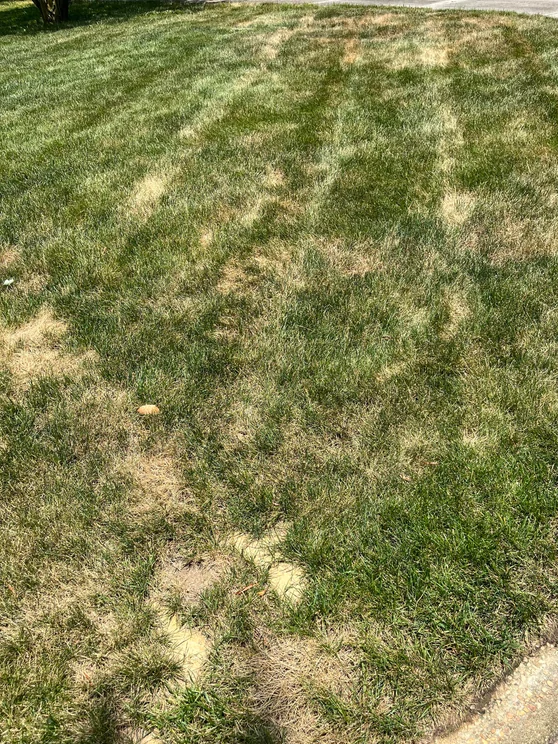
Keeping Your Lawn Alive in the Virginia Summer Heat
If you've stepped outside this week in Glen Allen, you already know — this is the kind of summer heat that puts lawns to the test. After a stretch of temperatures pushing into the mid-to-upper 90s with heat indexes well into the 100s, local lawns are under serious stress right now. July in central Virginia is the hardest month on a lawn. Temperatures sit in the 90s for stretches at a time, rainfall becomes unpredictable, and cool-season grasses are operating well outside their comfort zone. This is the month when a lot of lawns hit a wall — and when the decisions made in spring either pay off or show their weaknesses.
We've been doing this long enough to know what works and what doesn't in July. Here's the honest guide to keeping your lawn alive through the worst of the Virginia summer.
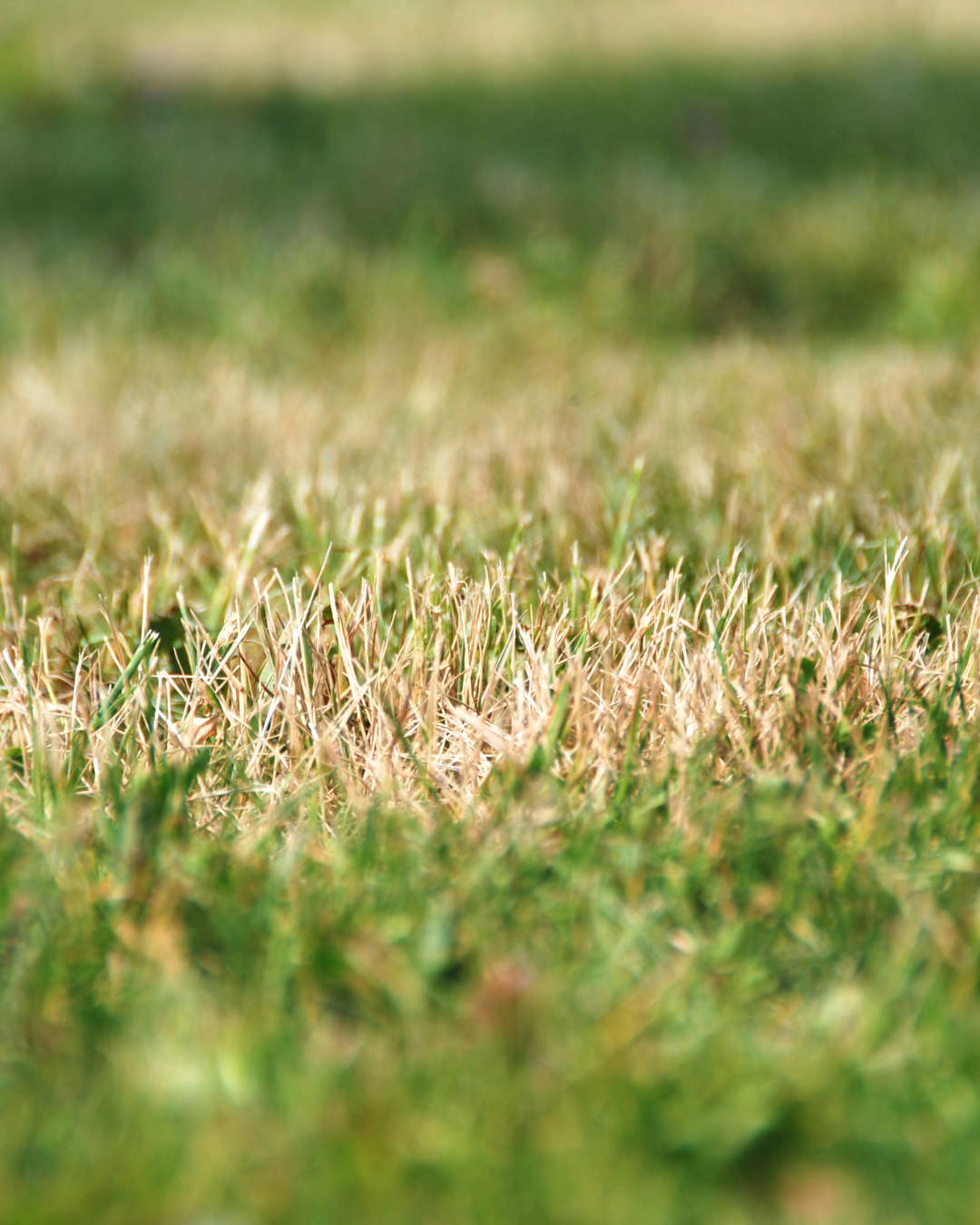
Quick Tip: Should You Mow a Drought-Stressed Lawn?
Once summer heat sets in and rain gets scarce, I start getting a version of the same question from homeowners across Glen Allen and Short Pump: should I still be mowing? My lawn looks stressed — is cutting it making things worse?
It's a great question, and the honest answer is: it depends. Here's how to think through it.
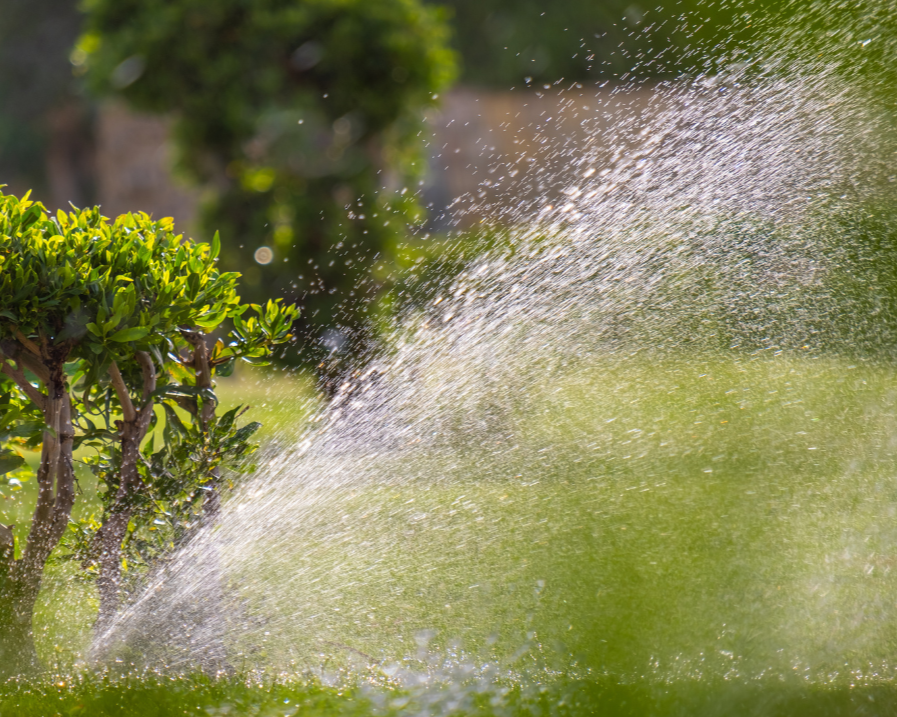
Quick Tip: Deep Watering vs. Shallow Watering — What Your Lawn Actually Needs
If there's one watering habit change that makes a bigger difference than any other heading into Virginia summers, it's this: water deeply and infrequently instead of shallowly and often. It sounds like a small tweak, but the impact on your lawn's drought resilience is significant.
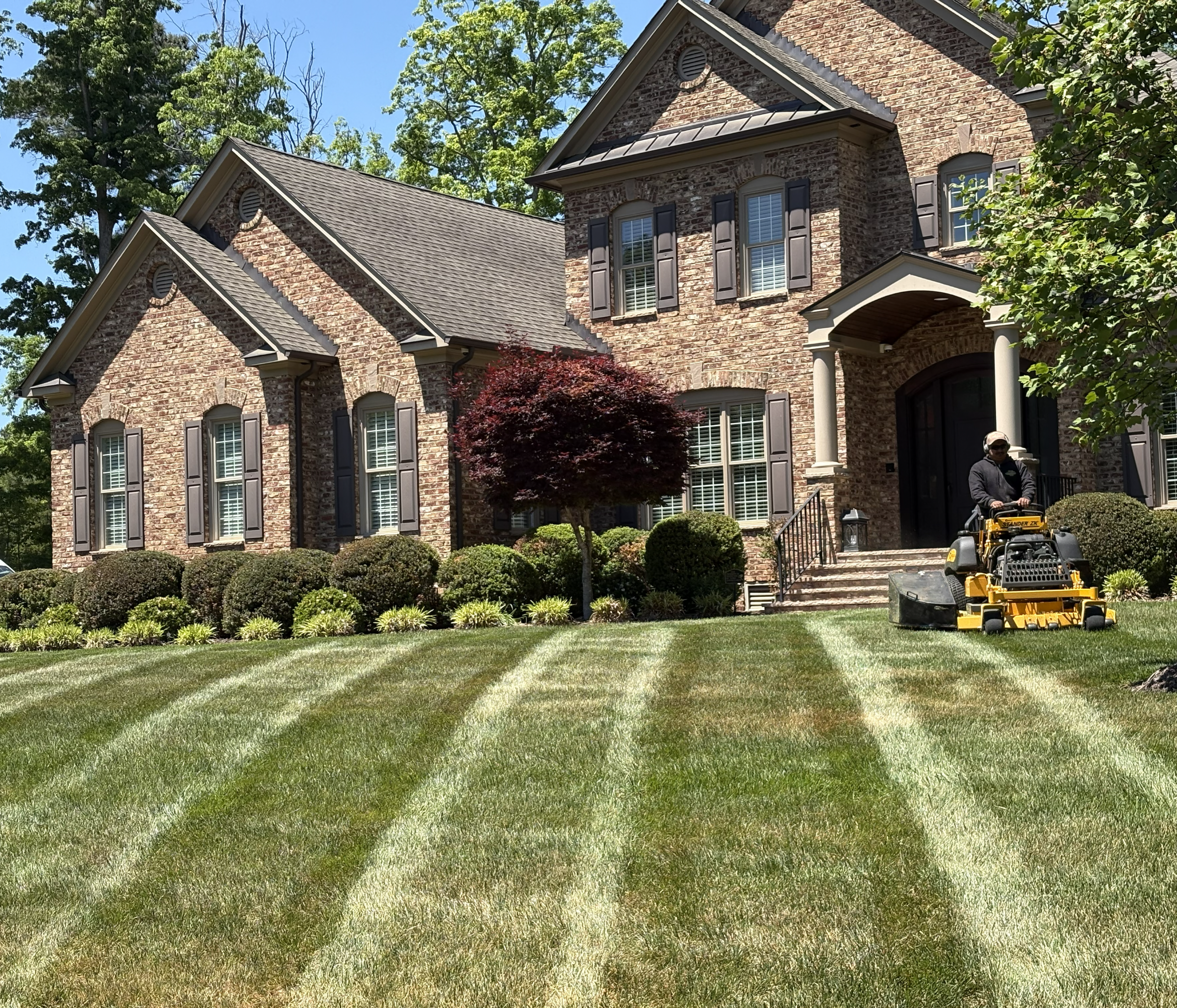
How to Prep Your Lawn for the Virginia Summer Heat Before It Hits
May feels like a great lawn month, and it is. The grass is green, temperatures are comfortable, and everything looks healthy. But May is also when the clock starts ticking. Virginia summers are tough on cool-season lawns, and the decisions you make in May — about mowing, watering, and fertilization — have a direct impact on how your lawn handles the heat in July and August.
The best time to prepare for summer stress is before summer arrives. Here's what that looks like.
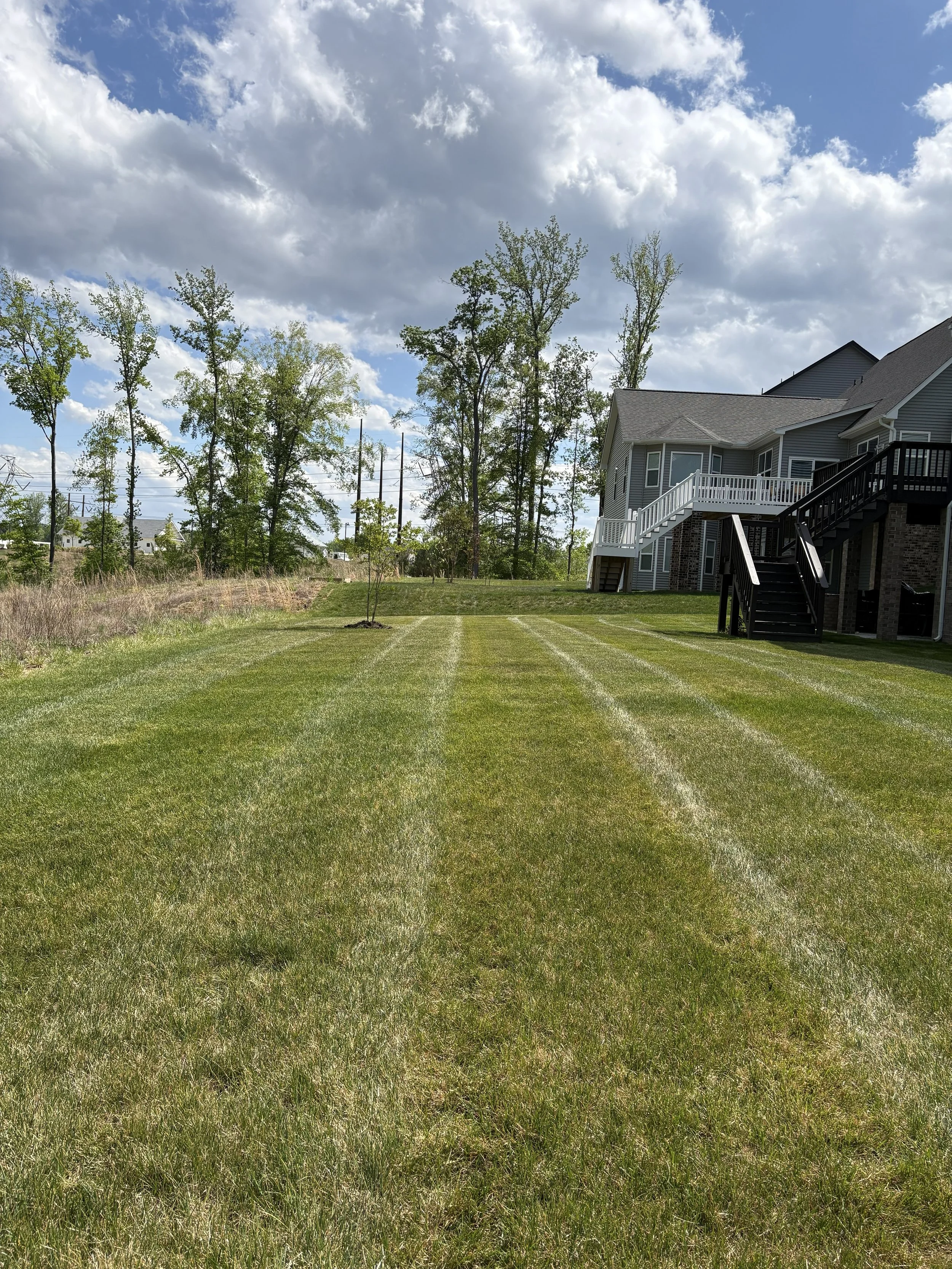
The One-Third Rule: Why How Much You Cut Matters as Much as How Often
There's a rule in lawn care that most homeowners have never heard of, but that professional crews follow on every single yard, every single week. It's called the one-third rule, and understanding it will change how you think about mowing.
The concept is simple: never remove more than one-third of the grass blade in a single mowing. If your grass is three inches tall, you should cut no more than one inch off — leaving it at two inches. If it's four and a half inches, cut one and a half inches.
Simple in theory. But the implications are bigger than most people realize.
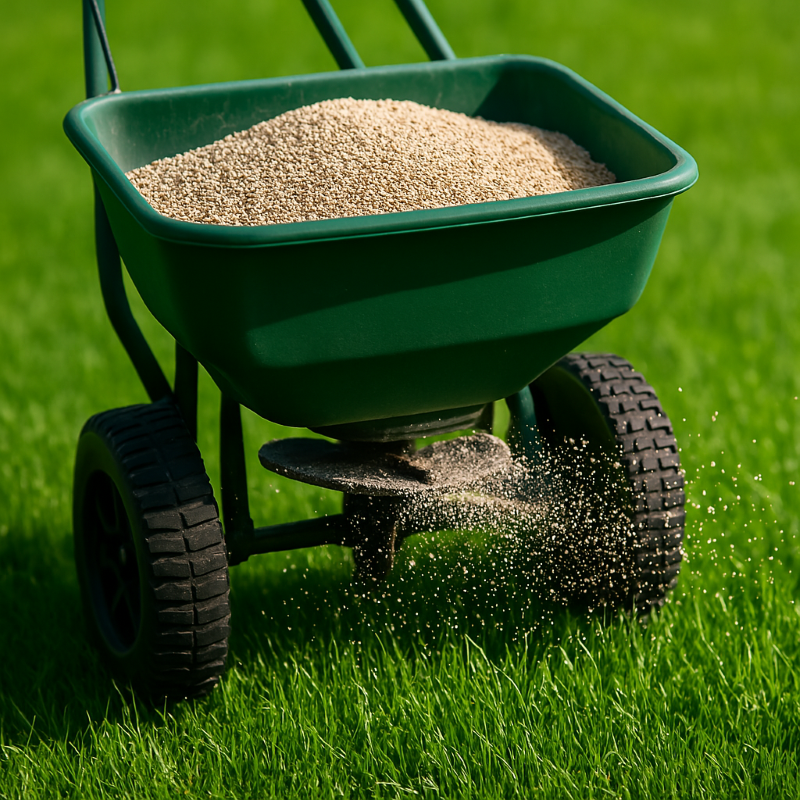
Spring Lawn Checklist: Mowing and Fertilization Go Hand in Hand
April is the month everything clicks into gear. The grass is growing, the weather is cooperating, and homeowners across Short Pump and Glen Allen are finally back outside paying attention to their yards. It's also the month where the decisions you make — especially around mowing and fertilization — set the tone for how your lawn looks from now through September.
These two things don't have to be complicated, but they do have to work together. Here's how we think about the April lawn checklist and why mowing and fertilization are more connected than most people realize.
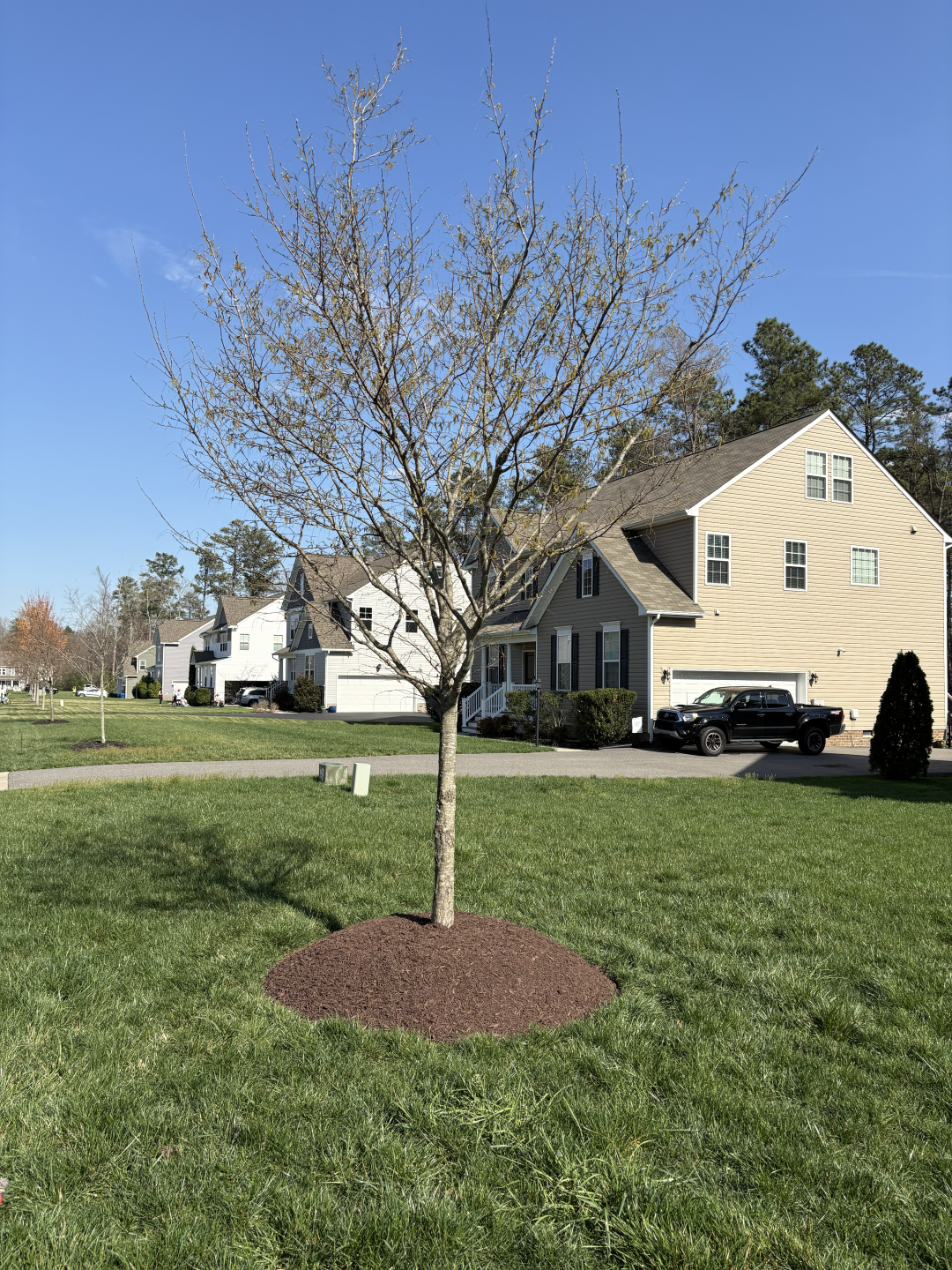
Is Your Lawn Ready for Spring? Here's What to Do First
Every March, I show up to yards across Glen Allen, Short Pump, and Twin Hickory and see the same thing: lawns that wintered okay but aren't quite ready for what's coming. The grass is starting to green up, homeowners are eager to get outside, and the instinct is to jump straight into mowing and fertilizing. But rushing that process is one of the most common mistakes I see, and it can set a lawn back for months.
Spring lawn prep isn't complicated. But the order matters. Here's what we actually do — and in what sequence — to get lawns in central Virginia ready for a strong growing season.
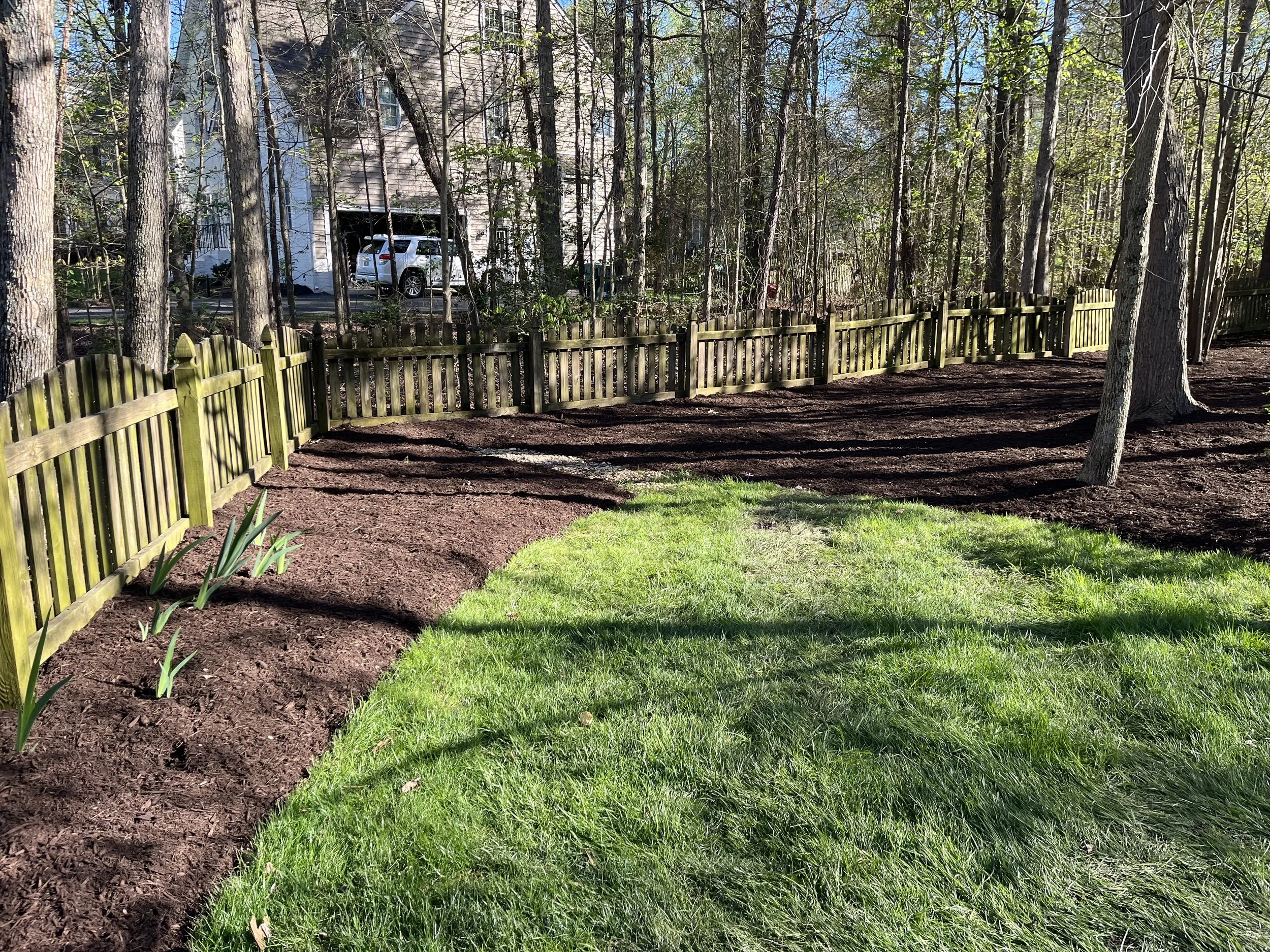
Why Spring Mulching Is One of the Best Things You Can Do for Your Lawn
Learn why spring mulching matters for Glen Allen, Short Pump, and Twin Hickory homeowners — and how fresh mulch protects your plants all season long.

Keep Your Lawn Healthy This Fall
As summer fades and cooler weather arrives, your lawn shifts into an important transition period. Fall is one of the best times to give your yard the attention it needs to recover from heat stress, rebuild root strength, and prepare for the months ahead. A little effort now helps your grass come back greener and thicker in spring — and keeps your outdoor spaces looking tidy through the season.
Here’s what you need to know to keep your lawn healthy this fall.

When Should You Start Thinking About Fall Lawn Care?
When Should You Start Thinking About Fall Lawn Care?
Spoiler: Now’s the time.
While the heat of summer still lingers in Central Virginia, late July is actually the perfect time to start thinking about fall lawn care. It might seem early, but planning now ensures your lawn is ready for cooler temps—and gives you the best shot at a thick, green, healthy yard by next spring.
Here’s why fall is so important, and what steps you can take now to set your lawn up for success.