

Quick Tip: Should You Mow a Drought-Stressed Lawn?
Once summer heat sets in and rain gets scarce, I start getting a version of the same question from homeowners across Glen Allen and Short Pump: should I still be mowing? My lawn looks stressed — is cutting it making things worse?
It's a great question, and the honest answer is: it depends. Here's how to think through it.
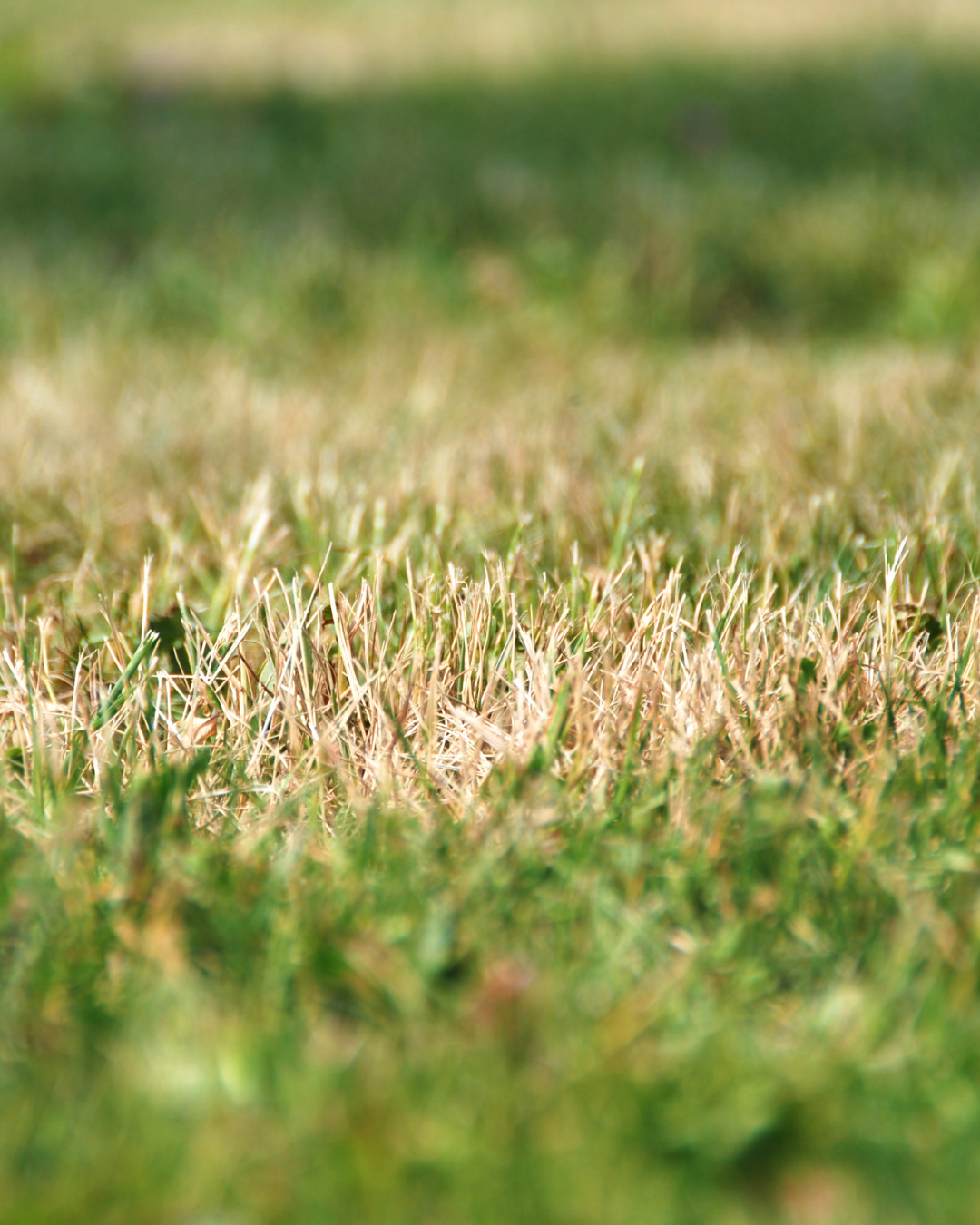
Drought dormancy vs. active stress — knowing the difference determines whether you should keep mowing or put the mower away.
If the Lawn Is Still Growing — Mow, but Carefully
If your grass is still putting on visible growth — even slow growth — you should continue mowing. Letting a stressed lawn get too long and then cutting it down hard is actually more damaging than regular mowing at the right height.
The key adjustments in drought conditions: raise the deck. If you've been mowing at three and a half inches, bump it to four. Taller grass shades the soil, keeps ground temps lower, and reduces moisture loss. And mow in the early morning when temperatures are cooler — the lawn handles the stress of mowing better when it's not already fighting peak heat.
Also make sure your blades are sharp. Dull blades tear rather than cut, leaving ragged edges that lose moisture faster and invite disease.
If the Lawn Has Gone Dormant — Stop Mowing
If your lawn has gone fully dormant — meaning the blades have turned brown or tan and growth has stopped completely — put the mower away. There's nothing to cut, and running equipment over a dormant lawn just adds compaction and stress without any benefit.
A fully dormant lawn is in survival mode. The crown and roots are alive; the plant has just shut down above-ground growth to conserve water and energy. Leave it alone, keep foot traffic to a minimum, and wait for rain and cooler temperatures to bring it back.
The One Thing to Avoid
The most damaging scenario is what I'd call the half-and-half mistake: watering just enough to keep the lawn from going fully dormant, but not enough to support real growth. This puts the grass in a state of chronic stress — it can't rest, but it can't thrive either. If you're going to water during a drought, do it properly (one inch per week, deep and infrequent) or let the lawn go dormant fully. In-between doesn't serve the grass.
When in doubt, less intervention is usually better in a summer drought. The lawn is smarter than we give it credit for.
About the Author
Matt Brown is the owner of ELM Lawn Care, a residential lawn care company serving Glen Allen, Short Pump, Twin Hickory, and Wyndham, VA. Matt started ELM with a simple goal: deliver consistent, professional lawn maintenance that homeowners can actually count on. When he's not on the mower, he's usually spending time with his family or planning the next season. ELM Lawn Care is licensed and insured — call 804-572-9488 to get on the schedule.